Why Wet Roads Lead to More Collisions
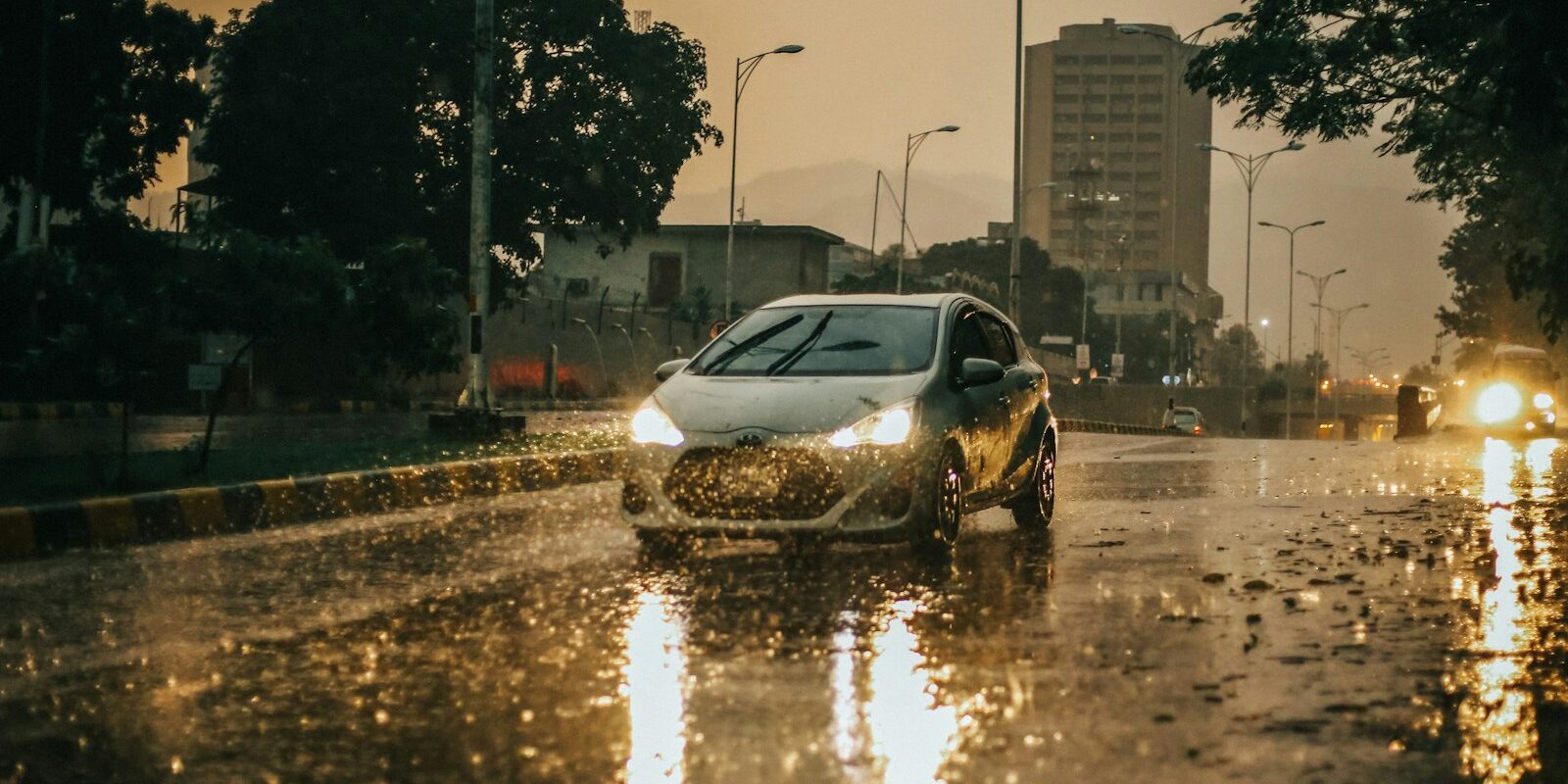
Rain changes the way your vehicle handles. Roads become slick, visibility drops, and stopping distances grow longer. According to the Federal Highway Administration, more than three-quarters of weather-related crashes happen during rain or mist, making wet roads one of the most common hazards drivers face.
In Southern California, the danger is even greater during the first rain after a long dry spell. Oil, rubber, and debris build up on the road over the dry months, and when rain mixes with that residue, it creates an especially slippery surface.
Common Causes of Rain-Related Accidents
- Hydroplaning, when a layer of water lifts your tires off the road and you lose steering and braking control
- Following too closely, since wet pavement can significantly increase stopping distance
- Reduced visibility from heavy rain, glare, and fogged windows
- Worn tires with shallow tread that can’t channel water away
- Driving too fast for conditions, even at or below the posted speed limit
How Rain Affects Your Vehicle’s Safety Technology
Many modern vehicles rely on cameras, radar, and sensors for features like automatic emergency braking, lane keeping assist, and adaptive cruise control. Heavy rain, road spray, and dirt can block or confuse these systems, and some may temporarily shut off. Don’t count on driver-assist features to make up for slick conditions. If your vehicle has been in a collision, have those sensors checked and calibrated, since even a minor impact can knock them out of alignment.
Tips for Driving Safely in the Rain
- Slow down and leave at least twice your normal following distance
- Turn on your headlights to see and be seen
- Avoid using cruise control on wet roads
- Steer around standing water when it is safe to do so
- If you hydroplane, ease off the gas and steer straight rather than slamming on the brakes
- Check your tire tread and replace worn wiper blades before the rainy season
What to Do After an Accident in the Rain
- Move to a safe location if possible and turn on your hazard lights
- Check for injuries and call 911 if anyone is hurt
- Take photos of the vehicles, the scene, and the road conditions
- Exchange insurance and contact information with the other driver
- Contact your insurance company to start your claim
- Have your vehicle inspected, even if the damage looks minor
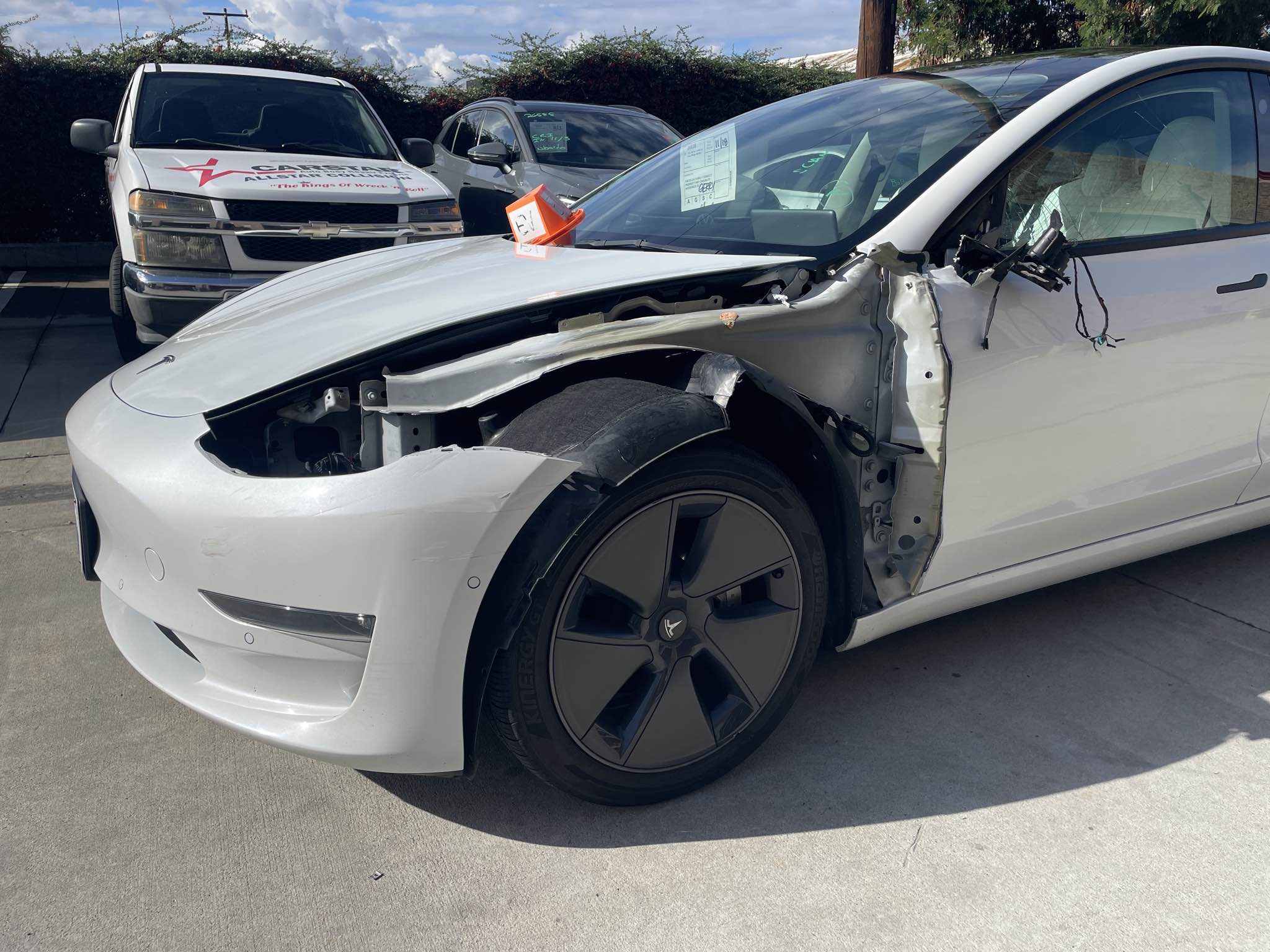
Hidden damage to sensors, suspension, and structural components is not always visible after a wet-weather collision, especially when the vehicle is covered in rain and road grime.
Get Back on the Road Safely
If you have been in an accident in the rain, CARSTAR Allstar Collision is here to help. Our certified team in Corona will inspect your vehicle, work with your insurance company, and restore it to manufacturer standards. Call us at (951) 279-9161 or stop by for a free estimate.